Save the Date: May 2026 CPAN Advocacy Chat

May 13, 2026, at 12 p.m. EST

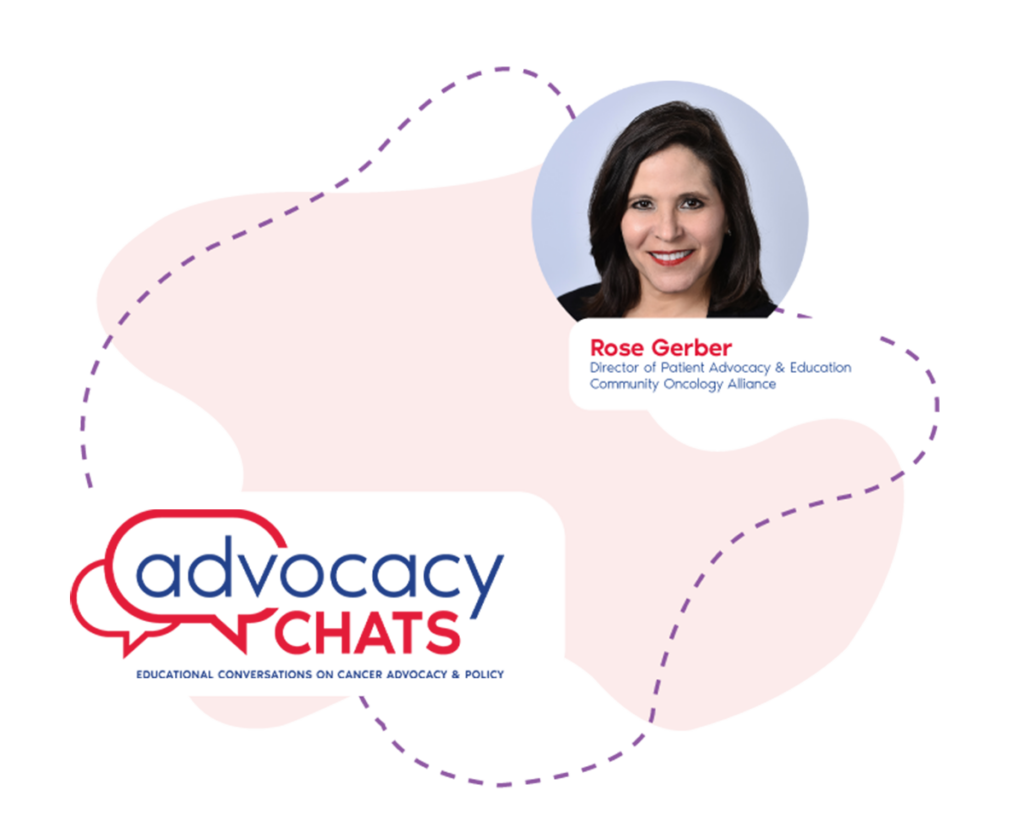
Save the date for a special guest to join COA’s Director of Patient Advocacy & Education, Rose Gerber for a conversation on oncology and advocacy-related topics.

Previous Advocacy Chats

Each month, a special guest joins COA’s Director of Patient Advocacy & Education, Rose Gerber for a conversation on oncology and advocacy-related topics.

A prepared advocate is an effective advocate. That’s why COA and CPAN are working to provide advocates with the latest information on policy changes. As a new year begins, ensure you have the tools and knowledge you need to advocate for local, affordable cancer care.

View all past chats with full video playback, notes, and session slides.
Previous Advocacy Chats

Each month, a special guest joins COA’s Director of Patient Advocacy & Education, Rose Gerber for a conversation on oncology and advocacy-related topics.

A prepared advocate is an effective advocate. That’s why COA and CPAN are working to provide advocates with the latest information on policy changes. As a new year begins, ensure you have the tools and knowledge you need to advocate for local, affordable cancer care.

View all past chats with full video playback, notes, and session slides.
  • COA’s Crystal Ball – What Can We Expect in 2026?

    February 4, 2026 12:00 pm

    It’s been a year since a new president and Congress took power in DC. We heard from COA's Executive Director, Ted Okon, and Managing Director, Nick Ferreyros, regarding our expectations for the 2026 policy landscape in Washington and the progress made on COA’s top policy and advocacy issues. From PBMs to hospital consolidation and multiple threats to the patient and provider relationship, Advocacy Chat host and COA’s Director of Patient Advocacy and Education, Rose Gerber, MS, asked the questions that COA’s audience cares about, including protecting the patient and physician relationship and removing obstacles to ensure that patients continue to have access to high-quality cancer care.
  • CPAN 2025 Year in Review

    December 10, 2025 12:00 pm

    The COA Patient Advocacy Network (CPAN) met on Wednesday, December 10th at 12 p.m. ET for the final Advocacy Chat of the year. COA’s Director of Patient Advocacy and Education Rose Gerber, MS, provided an overview of the various ways CPAN advocates have worked year-round to educate and engage the diverse members in the community oncology landscape, ranging from cancer patients to CEOs. CPAN's advocacy activities and outcomes have included cancer patients and caregivers sharing their personal stories on Capitol Hill in Washington, DC, to CPAN-led educational events held in community oncology practices.
  • Celebrating Caregivers in Cancer

    November 12, 2025 12:00 pm

    Host Rose Gerber, MS, was joined by Darcie Champagne Wells, the president and CEO of CanCare, a nonprofit that provides support for caregivers of patients with cancer. Rose and Darcie discussed their various perspectives on caregivers: Rose as a former patient and current director of a patient-centered advocacy network, and Darcie as the head of a national organization caring for the caregivers and as a three-time caregiver herself. They also discussed resources available to help caregivers emotionally, mentally, and materially as they support their loved ones.
  • How PBMs Are Blocking Patient Access to Medication

    October 8, 2025 12:00 pm

    Host Rose Gerber, MS, was joined by COA's Director of Clinical Initiatives, Christine Pfaff, RPh, MBA, as they discussed how PBMs fit into the care equation. Created to manage pharmacy benefits for employers, PBMs have ballooned into Fortune 100 companies that are blocking critical care in the name of profit.
  • Equity First: Addressing Food Insecurity at the Community Level

    September 10, 2025 12:00 pm

    COA’s Director of Patient Advocacy and Education and Advocacy Chat host, Rose Gerber, MS, and COA’s Director of Practice Support, Shiela Plasencia, will discuss the need for community oncology practices to address food insecurity. Patients in low-income or rural areas may live in "food deserts," or places where healthy food is hard to access.